
“94% of first impressions relate to your site’s web design—ignore new web design trends at your peril.”
A Fresh Look: Why Tracking Web Design Trends Matters
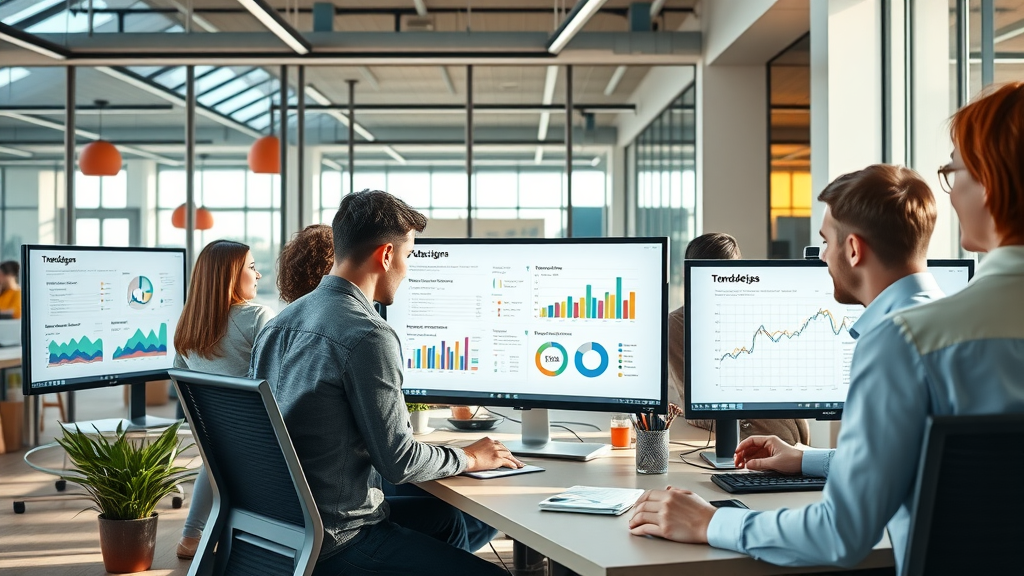
- Understand how web design trends influence user experience
- Stay competitive with modern site design practices
- Learn which design trends are shaping website design standards
Web design trends are more than passing fads; they’re the heartbeat of the modern web . The rise and adoption of fresh website design trends shape how visitors perceive your brand within seconds. As technology evolves, so do users’ expectations—making it crucial to anticipate and embrace strategic design elements. Ignoring these shifts leaves your site design feeling dated, which can rapidly erode trust and engagement.
Tracking the latest web design trends ensures your site delivers a visually compelling, functional, and satisfying user experience . When you align your online presence with leading design trends , you unlock new opportunities for growth, user engagement, and lasting brand loyalty. Explore the compelling data, examples, and expert advice below to see how the hottest trends can energize your website and inspire your next digital transformation!
Statistics That Prove Web Design Trends Shape the Modern Web
| Web Design Trend | Percentage of Adoption |
|---|---|
| Dark mode | 85% |
| Minimalist layouts | 76% |
| Bold typography | 64% |
| Organic shapes | 59% |
| Custom illustration | 50% |
The modern web is defined by quantifiable design decisions. Robust adoption rates of key web design trends like dark mode (85%), minimalist layouts (76%), and bold typography (64%) confirm just how much these elements influence website success. When you prioritize these features, you not only align with user expectations but also set your site apart from the competition.
Integrating high-adoption design trends directly correlates with increased time on site and user retention. As emerging design features like organic shapes and custom illustration become mainstream, early adopters reap the benefits of a fresh, innovative user interface and improved user experience. Data-backed design decision-making is foundational for any web designer striving to build credibility and trust in a crowded digital landscape.
1. Immersive Hero Section Layouts: The New First Impression of Web Design Trends

How Hero Section Web Design Trends Set the Tone
The best web design trends start at the top—literally. An immersive hero section is often the first thing visitors notice, setting the tone for the entire site. This vital site design element leverages striking visuals, video backgrounds, micro-animations, and purposeful calls to action to grab attention and encourage interaction.
A well-designed hero section acts as a visual anchor, helping users understand a page’s intent instantly. Whether you’re introducing a product or telling your brand story, these dynamic layouts intensify the site’s visual impact , define user expectations, and drive better conversion rates. Adopting modern web compositions here ensures your site starts strong and sustains engagement.
Examples of Engaging Hero Sections in Modern Web Design
Leading brands use bold images, clever headlines, and interactive elements within their hero sections . Animated overlays, kinetic text, or layered parallax effects make these spaces come alive. For example, tech companies might use 3D graphics and smooth gradients, while creative agencies deploy video and subtle motion for a cinematic user experience .
Ecommerce sites benefit from hero sections with prominent CTAs—think “Shop Now” overlays or dynamic product carousels. Across all industries, the hero section web design trend remains crucial to conveying professionalism and inviting users into the website instantly.
2. Bold Typography and Dynamic Fonts in Web Design Trends
Why Bold Typography Is a Leading Design Trend
Large, expressive typography is powering the latest website design trends . By using thick, oversized fonts—often serif font and sans-serif font combinations—sites can structure content, evoke emotion, and leave a memorable impression on visitors. This design trend is about more than just style; it’s about hierarchy, clarity, and strong brand identity .
Bold fonts guide the eye naturally and reinforce the site’s tone. When executed strategically, they enhance readability for all users—including those with vision limitations. As a result, web designers are weaving in variable font weights, condensed typefaces, and dynamic font pairings to catch users’ attention without overwhelming them.
Best Practices for Effective Typeface Choices in Website Design Trends
To master this design trend , web designers mix sizes and font weights while maintaining visual harmony. Stick to 1–2 main type families, but experiment with contrast between headers and body text for maximum effect. Ensure font choices remain accessible and easy to read on small screens, especially as mobile traffic continues to rise.
Carefully curated typography helps establish hierarchy and makes your website design both beautiful and functional. Consistency in font use and properly balanced color scheme combinations will amplify your message and support overall user experience .
3. Custom Illustrations and 3D Elements: Adding Depth to the Site Design
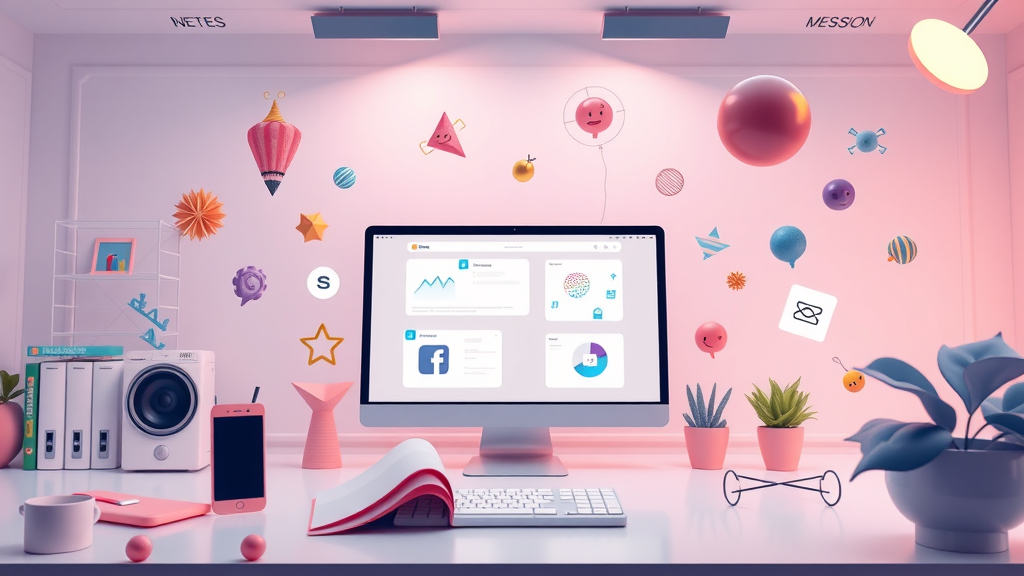
How Custom Illustration Sets Your Website Apart
Custom illustration is a distinguishing website design trend —bringing character, warmth, and brand-specific flair that stock art can’t match. By using hand-crafted or digitally rendered images, your website instantly establishes a unique voice, stands out from competitors, and builds an emotional connection with visitors.
These design elements inject personality and support storytelling for your site design . Companies leveraging custom illustration see enhanced user retention and deeper engagement, thanks to the memorable, friendly, and on-brand visuals.
The Rise of 3D Graphics in Modern Web Interfaces
Immersive 3D elements are growing dramatically within modern web interfaces. Advanced rendering and browser capabilities make it easier than ever to deploy playful 3D objects, layered shapes, or interactive motion. These features add depth and realism, turning a flat site into an immersive experience .
From floating product mockups to animated navigation, integrating 3D elements can transform user interaction and perception. This visually striking trend is often paired with bold typography and vibrant color palettes to reinforce a lasting brand impression.
4. Minimalism and White Space: The Classic Web Design Trend Reinvented
Minimalist Web Design Trends for a Streamlined User Experience
The tried-and-true minimalist design concept is surging in popularity as a mainstay website design trend . Clean lines, uncluttered layouts, and the effective use of white space enable users to focus on core messages without distraction.
This trend results in faster site performance, easier navigation, and a more relaxing user experience. Tech giants and boutique brands alike embrace minimalist principles to put content first, amplify important elements, and create an inviting online presence that feels fresh and timeless.
Balancing Content and White Space in Website Design
The secret behind successful modern minimalist web design trends is harmony. Instead of squeezing every pixel for content, designers strategically balance white space with content density . This not only makes sites more readable and less visually overwhelming, but also signals refinement and confidence in the brand.
Optimize site design by setting generous margins and letting important elements breathe. Effective use of white space helps direct attention, improves comprehension, and ultimately elevates the overall user experience .
5. Organic Shapes and Asymmetrical Layouts in Modern Web Design
Why Organic Shapes Are a Popular Website Design Trend
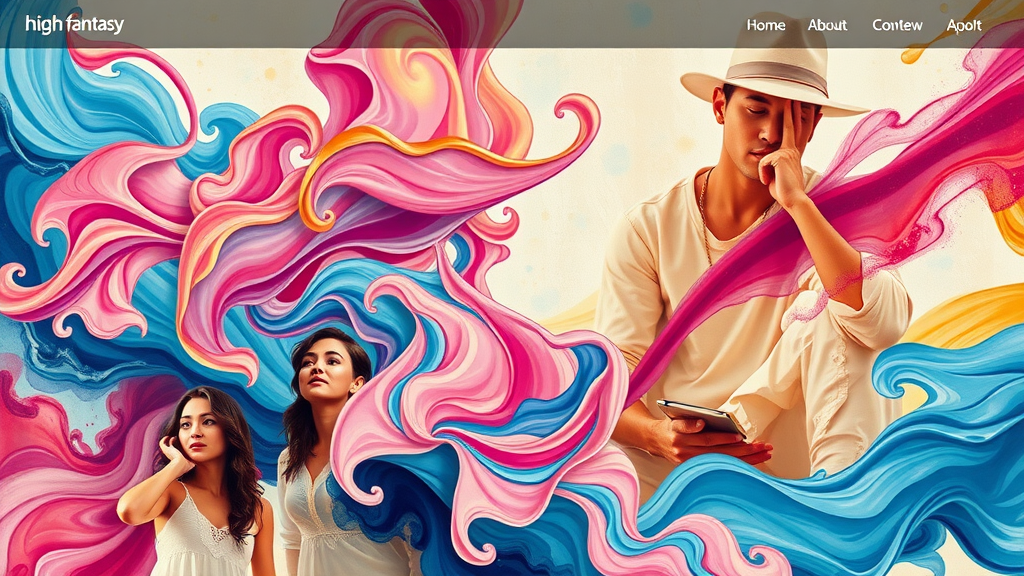
The modern web is moving beyond rigid geometry with the embrace of organic shapes . Irregular blobs, wavy lines, and asymmetrical forms disrupt the grid-based monotony, adding visual interest and a sense of playfulness. These natural, flowing shapes mimic the curves of nature and breathe new life into static page layouts.
Using organic shapes as design elements softens transitions, guides the eye, and creates unique brand differentiators. As users become more design savvy, they crave these unexpected, custom touches that set a site apart from generic competitors.
Examples of Asymmetry in Leading Site Design
Asymmetrical layouts break free from the “safe” center alignment and uniform columns. Top modern web designs position elements at unconventional angles, overlap visuals, and offset texts for dynamic, memorable experiences.
For example, portfolio sites may stack hero images beside shifted CTAs, while editorial brands stagger photos with zigzag text to tell a more immersive story. This design trend encourages exploration and rewards curiosity—driving deeper user engagement.
6. Microinteractions: Enhancing User Experience with Web Design Trends
Microinteractions and Their Impact on User Experience
Microinteractions —like animated buttons, clickable icons, hover effects, and subtle feedback cues—are rewriting the rules of user experience . These small, purposeful animations guide users, reduce confusion, and make digital interactions more intuitive and delightful.
Today’s web design trends demand more from every click. Microinteractions provide real-time responses to user actions, resulting in higher satisfaction and trust. They are especially effective for navigation menus, form validation, or progress indicators—turning routine actions into engaging moments.
Top Microinteraction Design Trends for Web Designers
Web designers are increasingly embracing fluid microinteraction effects, such as frictionless toggles, swipe gestures, and visually engaging loading spinners. Mindful use of animation speed and color feedback ensures these features support—not distract from—the main user flow.
Smart integration of microinteractions helps drive user engagement , keeps visitors on task, and separates modern web interfaces from outdated competitors. Don’t overlook these subtle, yet powerful, design trends when seeking to harmonize form and function.
7. Vibrant Colors and Gradients Defining Website Design Trends
How Color Choices Affect Modern Web Aesthetics
Daring color palettes and gradients are setting the stage for visually rich website design trends . Gone are the days of safe monochrome—today’s websites use eye-popping tones, neon accents, and multi-hued backgrounds to grab attention and evoke emotion.
The right color scheme reinforces your brand identity, draws focus to key actions, and ensures optimal contrast for readability. Gradient overlays, in particular, infuse digital spaces with energy and depth, making site design both memorable and modern.
Gradient Overlays as a Dominant Web Design Trend
Gradients serve as a bridge between flat and three-dimensional spaces, adding motion and intrigue to sites without weighing them down. Popular choices include linear gradients between high-contrast colors and radial backgrounds that highlight CTAs or hero text.
As a leading website design trend , gradients are now appearing in buttons, banners, and even navigation elements—creating visual hierarchy and a sense of movement through the user journey.
8. Dark Mode: A Predominant Web Design Trend in 2024
User Demand and Accessibility in Website Design Trends
Dark mode has rapidly become one of the most requested website design trends , with 85% of popular websites adopting it. This trend is valued for its ability to reduce eye strain, extend device battery life, and provide an alternative visual experience, especially for users browsing in low light.
Beyond personal preference, dark mode boosts accessibility for those with vision impairments or sensitivity to bright light. Web designers must ensure sufficient color contrast and proper tone mapping to create a seamless, inclusive experience.
Tips for Implementing Dark Mode for Web Designers
Modern web standards recommend using CSS variables and media queries to detect user preferences, allowing easy toggling between light and dark modes. Carefully curate your color palette to avoid washed-out hues or overpowering highlights.
Provide users with the option to switch modes manually, and preview all design elements in both appearances to preserve visual consistency. The future of web design trends includes thoughtful dark mode integration for all.
9. Sustainability in Web Design: The Rise of Sustainable Web Trends

Sustainable Web: Eco-Friendly Design Influencing the Modern Web
The sustainable web movement is transforming modern web design. By prioritizing eco-friendly practices—such as green hosting, optimized code, and low-energy color schemes—designers minimize a site’s environmental impact. Brands showcasing their commitment to sustainability often appeal to eco-conscious consumers and set new industry standards.
Sustainable web practices are not just good ethics—they can also mean faster websites, lower bounce rates, and improved search rankings. Adopting this website design trend places your site at the forefront of digital responsibility.
Practical Adjustments for a Sustainable Web Design Trend
To make your site more eco-friendly, cut image file sizes, reduce server calls, and opt for reusable, modular CSS and JavaScript. Avoid video autoplay and heavy animations unless necessary, ensuring a lighter digital footprint.
Choosing green hosting providers and incorporating dark mode further enhance sustainability. These adjustments convey your values, promote brand trust, and create a welcome space for all users seeking an ethical online presence .
10. AI Integration: The Smart Future of Website Design Trends

AI-Powered Customization in Modern Web Design
Artificial intelligence is spearheading a revolution in web design trends . AI tools personalize user journeys by analyzing behavior, making real-time adjustments, and recommending content or products uniquely suited to each visitor. This means more relevant, appealing, and satisfying website experiences.
AI-driven chatbots, automated design generators, and content creators are making sites smarter and more responsive. Web designers leveraging AI unlock unparalleled efficiency, innovation, and competitive advantage in the modern web landscape.
Web Designers Leveraging Automation for Innovative Site Design
Using automation, web designers streamline workflows, from adaptive layouts to A/B testing of new features. Automated accessibility audits, instant code clean-up, and dynamic asset optimization all make the design process more effective.
This design trend empowers designers to focus on creativity while AI handles repetitive tasks—resulting in faster deployment, personalized interactions, and higher user engagement.
11. Accessibility-First Web Design: Prioritizing Inclusive User Experiences
How Accessible Web Design Trends Benefit All Users
Modern web design trends put accessibility front and center, ensuring every user—regardless of ability—can navigate, read, and interact effortlessly. Features like alt text for images, keyboard navigation, and voice-reader compatibility make sites more usable.
Effective accessibility boosts audience reach, enhances SEO, and aligns your brand with inclusive values. An accessible site design also prevents legal pitfalls as global web standards mandate compliance.
Key Guidelines Web Designers Must Follow for Accessibility
Follow WCAG (Web Content Accessibility Guidelines) for appropriate contrast ratios, scalable text, and clear semantic HTML structure. Test interactive elements with screen readers, provide captions on video and audio, and use alt tags for all media.
Foster inclusivity by designing for cognitive, visual, and mobility challenges. When accessibility drives your web design trends , you future-proof your site for everyone.
12. Creative Scrolling and Parallax Effects as Web Design Trends
Using Parallax for Site Design Depth
Parallax scrolling—a signature website design trend —creates a sense of depth and movement by animating background and foreground layers at different speeds. This captivating effect draws users through narratives and adds cinematic flair to landing pages.
When combined with interactive cues, this design trend maximizes user engagement , keeps visitors scrolling, and highlights key storytelling or product features through visual choreography.
Pros and Cons of Creative Scroll Elements in Modern Web Design
The upside? Parallax and creative scroll effects provide a unique, immersive experience that can increase session duration and time on page. However, overuse or poor execution can cause disorientation, slow load times, and accessibility obstacles.
The key for web designers is subtlety—balance movement with usability, always prioritizing a seamless user journey.
13. Responsive Web Design Trends: Optimizing for All Devices
Latest Approaches to Responsive Website Design
With mobile making up more than half of global web traffic, responsive web design trends are non-negotiable. Modern approaches adopt fluid grids, flexible images, and CSS breakpoints to ensure content looks sharp everywhere—from widescreen monitors to handheld smartphones.
Techniques like mobile-first development and vector-based graphics maintain performance and aesthetics across all viewports, cementing this as a foundational Design Trend .
Web Design Trends for Mobile-First Experiences
The “mobile-first” mindset shapes layouts around small screens, then scales them up for desktops. Prioritize easy navigation menus, legible fonts, tappable buttons, and streamlined media for effortless interaction on touch devices.
Progressive enhancement, adaptive images, and prioritizing speed ensures a pleasant user experience —regardless of device or connection quality.
14. Voice UI and Conversational Interfaces Pushing Web Design Trends Forward

How Voice UI Changes Website Design
As virtual assistants like Alexa, Siri, and Google become commonplace, voice UI is transforming how users interact with websites. Voice-activated commands and conversational search are streamlining navigation, making digital spaces accessible and hands-free.
Designing for voice means rethinking navigation, reducing reliance on visual cues, and ensuring vital information is structured for auditory delivery.
Application Examples of Conversational Interfaces in Site Design
Businesses deploy chatbots, digital assistants, and voice-based forms to handle customer queries, guide purchases, or provide personalized content. From appointment booking to complex troubleshooting, conversational interfaces are now pivotal web design trends improving efficiency and user satisfaction.
Adopting these design elements helps brands offer 24/7 support, expand accessibility, and future-proof site design for the next wave of tech evolution.
15. Animated and Interactive Content: Engaging Users with Modern Web Design Trends
Examples of Interactive Features in Leading Website Designs
Interactive elements such as hover-revealed content, drag-and-drop widgets, and animated infographics drive deeper user engagement on the modern web . These features turn static pages into playful, memorable experiences that encourage exploration.
For example, financial or SaaS companies use animated charts to make data digestible, while retail sites animate product rotators for a more tactile user interface . Such features boost dwell time and create a compelling brand story.
Best Practices for Animation in Site Design Trends
Keep motion purposeful and accessible: use subtle animations to guide the user, avoid distracting or excessive effects, and always test timeline speeds. Effective animation serves function without overshadowing site usability.
Consider reduced-motion settings and keyboard controls for users with sensory or mobility sensitivities. Animation done right is an enduring web design trend that brings joy to the browsing experience.
16. Personalization and Data-Driven Web Design Trends
Leveraging Data for Smarter Website Design
Today’s websites thrive on tailored experiences. Leveraging behavioral data—like browsing history or geolocation—allows designers to customize journeys, headlines, and product recommendations for each user. This website design trend is proven to boost engagement and conversion rates.
Data-driven personalization can mean localized content, dynamic calls to action, or adaptive navigation based on user actions. Smart segmentation keeps your site relevant and infuses it with a sense of personal care.
Designing Personalized Experiences to Boost Engagement
Use modular layout components to swap in content or ads relevant to each visitor segment. Integrate dynamic landing pages that react to user intent—for instance, welcoming returning customers with fresh offers.
The ultimate goal is to shape an immersive experience where users feel understood and invested—turning one-time visitors into loyal community members.
17. Content-First Web Design Trends for Enhanced Storytelling
Aligning Content Strategies with Design Trends
Placing content at the core of website design is a major trend because meaningful copy, imagery, and interactive assets drive action. Design and content teams now work hand-in-hand from the start, ensuring every element serves a narrative purpose.
Aligning design with compelling storytelling is key for product launches, service pages, and landing pages. This integrated approach improves comprehension, inspires action, and deepens emotional resonance.
Examples of Story-Driven Site Design
Brands use scrolling narratives, immersive videos, and voice-over audio to share customer journeys or demonstrate product value. Companies in travel, education, and nonprofit sectors especially benefit from layered photo essays, timeline animations, and interview integrations that connect visitors to real-world stories.
A content-led approach to site design establishes trust and leaves a lasting impression—always a winning strategy in the modern web .
18. Ultra-Fast Loading Speeds in Web Design Trends
Optimization Techniques for Modern Web Performance

Lightning-fast loading times are now the gold standard for user experience . Optimizing images, leveraging browser caching, minifying code, and deploying CDNs (Content Delivery Networks) ensures every site element opens quickly on all connections.
Progressive frameworks like React, Svelte, and Next.js further reduce latency for dynamic and static content alike. As one of today’s most essential web design trends , speed optimization tumbles bounce rates and climbs SEO rankings.
How Speed Affects User Experience and Design Trends
Site visitors expect feedback in milliseconds—any delay and they’re gone. Performance-focused design trends extend to prioritizing above-the-fold content, using lazy loading for media, and reducing DOM complexity.
The result? Satisfied users, lower abandonment rates, greater mobile usability, and a digital presence built to perform—hallmarks of high-impact website design .
“Great design is invisible but unforgettable—a seamless web experience is always on trend.” — Leading Web Designer
19–62. More Explosive Web Design Trends Reshaping Site Design
- Augmented reality (AR) integrations
- Immersive video backgrounds
- Animated SVGs and icons
- Inclusive and gender-neutral design elements
- AI-written and AI-assisted content
- Storytelling through scrollytelling techniques
- Retro and y2k web design trends
- Futuristic neon accents
- Typographic hero headers
- Tactile design using glassmorphism
- Soft gradients and pastel color palettes
- Variable fonts integration
- Hand-crafted illustrations and animations
- Minimalist navigation bars
- Split-screen layouts for visual storytelling
- Vertical and horizontal scrolling combinations
- Single-page site design
- No-code and low-code design tools
- Biophilic design elements
- Smart content loading (lazy loading, skeleton screens)
- Geometric and abstract background patterns
- Personalized onboarding flows
- Accessibility overlays for compliance
- Hyper-localization in local business web design
- Hybrid app-like web interfaces
- Advanced grid techniques (CSS Grid/Flexbox)
- Integrated chatbots and support popups
- Push notifications for engagement
- Sticky and dynamic headers
- Minimal footer navigation
- Directional cues using arrows and animations
- Glass and frosted glass effects
- Authentic user-generated content integration
- NFT integrations for creative portfolios
- Online communities built into brand websites
- Floating or sticky action buttons
- Cinemagraphs in hero sections
- Mood-based themes (day/night modes)
- Whitespace as a core layout principle
- Progressive web apps
- Contactless access features
- Scroll-activated effects (fade in, zoom)
- Data visualization and interactive dashboards
- Voice search optimization
- Subscription-based models in site design
Key Lessons from the Explosive Growth of Web Design Trends
| Trend Type | User Impact | Difficulty to Implement |
|---|---|---|
| Dark Mode | Increases accessibility & eye comfort | Low |
| Microinteractions | Boosts user engagement | Medium |
| Custom Illustration | Strengthens brand identity | High |
Major web design trends offer innovative paths to improve user experience —but not all trends require the same level of expertise or resources. Picking the right blend for your business means balancing user impact against implementation challenges and aligning every decision with your vision and audience.
Embracing a trend like dark mode is accessible for most, while custom illustration may demand greater investment. However, the return—in engagement, accessibility, and distinct brand identity —is consistently worthwhile. Choose which trends to pursue based on what will best serve your users and business goals.
Expert Opinions on Lasting Web Design Trends
“The only constant in web design trends is change—adaptation sets leaders apart.” — Senior UI Specialist
Trends evolve quickly, and expert consensus is clear: adaptability is the mark of successful web designers. Stay curious, continue learning, and always listen to your users. The true value of following web design trends lies in how they spark innovation rather than dictate rigid rules.
Enduring trends focus on accessibility, speed, personalization, and emotional storytelling—all essential for a compelling online presence that feels both distinctive and future-ready. Trust expert insight, but don’t be afraid to experiment and push the boundaries of contemporary site design .
Addressing the Most Searched Questions About Web Design Trends
What is the current trend in website design?
The current web design trend emphasizes immersive hero sections, bold typography, vibrant color palettes, custom illustration, and AI-driven personalization—delivering both eye-catching aesthetics and intuitive, user-centric experiences.
Website Design Trends Answer: The leading web design trend today features immersive hero sections, bold typography, vibrant colors, custom illustration, and AI-driven personalization, catering to both aesthetics and user-centric experiences.
These trends blend striking visual impact with seamless responsiveness and robust accessibility. The focus is always on making technology work for users, combining technical innovation with creative storytelling and sleek interfaces.
What is the Y2K web design trend?
The Y2K web design trend revives retro-futuristic vibes from the early Internet era—think neon gradients, pixel fonts, animated GIFs, bold colors, and playful digital glitch effects. This aesthetic fuses nostalgia and whimsy with next-gen web capabilities for a fresh, energetic visual style.
What is the future of web design?
The future of web design points toward even deeper personalization, immersive AR/VR experiences, seamless mobile integration, and heightened accessibility. Smart automation, ethical design, and sustainability will also play central roles, ensuring the modern web stays innovative and inclusive.
Are web designers still in demand?
Absolutely. Businesses recognize the vital role modern web and thoughtful site design play in attracting and retaining users. As web design trends keep evolving, skilled designers remain highly sought after for their creative, technical, and strategic expertise.
Frequently Asked Questions About Explosive Web Design Trends
- How often do web design trends change?
Web design trends shift rapidly—often every year—driven by new technologies, cultural shifts, and evolving user needs. While foundational principles endure, expect noticeable updates or refinements to the “look” of modern websites every 12 to 18 months.
- Which web design trends should small businesses prioritize?
Small businesses should focus on mobile-first design, fast loading speeds, bold typography, and clear calls to action—all trends that boost usability and conversions. Implementing a few high-impact features produces better ROI than chasing every flashy trend.
- How can I stay up to date with website design trends?
Follow industry blogs, attend web designer webinars, and explore showcases like Awwwards or Behance. Joining online design communities helps spot emerging trends and refine your skills in tune with the modern web .
- What is the most cost-effective web design trend to implement?
Expanding white space , updating color palettes, and integrating microinteractions are affordable ways to refresh your site. These modern updates typically require minimal code and deliver outsized gains in user experience .
Putting Web Design Trends into Practice: Next Steps for Success
- Evaluate your current website design for trend alignment
- Test new features with users to gauge engagement
- Consult with a modern web designer for expert advice
Stay Ahead: Adopt the Latest Web Design Trends to Elevate Your Modern Web Presence
“Keeping pace with web design trends means pushing boundaries, inspiring users, and driving real business results.”
Adopt these top web design trends now—test, iterate, and boldly integrate the styles best suited to your users and goals for a future-proof, high-converting website!
Staying updated with the latest web design trends is essential for creating engaging and effective websites. Here are some key trends shaping the web design landscape in 2025:
1. Micro-Interactions and Micro-Animations
Subtle animations that respond to user actions, such as hover effects or smooth transitions, enhance user experience without distracting from the main content. These elements guide users intuitively and make interactions more engaging. ( broworks.medium.com )
2. Neumorphism 2.0
An evolution of the design trend that combines skeuomorphism and flat design, Neumorphism 2.0 introduces soft shadows, layered effects, and gradients. This approach adds depth while maintaining a clean, minimalistic aesthetic. ( broworks.medium.com )
3. Interactive 3D Elements
Integrating interactive 3D graphics into websites offers users immersive experiences. This trend is particularly beneficial for product showcases, storytelling, and creating engaging user interfaces. ( broworks.medium.com )
4. AI-Generated Content and Design Automation
Artificial intelligence is streamlining the design process by generating layouts, visuals, and content. This automation allows designers to focus on creativity while AI handles repetitive tasks, resulting in efficient and personalized web experiences. ( broworks.medium.com )
5. Sustainability in Web Design
Eco-friendly design practices are gaining traction, focusing on reducing energy consumption through optimized performance and green hosting solutions. This approach appeals to environmentally conscious users and aligns brands with sustainable values. ( brandsuntamed.com )
6. Augmented Reality (AR) Integration
AR technology is enhancing user engagement by allowing interactive, lifelike experiences directly within the browser. This is especially impactful in e-commerce, where users can visualize products in their environment before making a purchase. ( webgisolutions.com )
7. Voice User Interfaces (VUI)
With the rise of voice-activated assistants, incorporating voice search and navigation features into websites enhances accessibility and provides a hands-free browsing experience. This trend caters to users who prefer voice commands over traditional input methods. ( brandsuntamed.com )
8. Dark Mode
Offering dark mode options reduces eye strain and conserves energy on OLED screens. Providing users with the choice between light and dark themes enhances personalization and user comfort. ( merge.rocks )
9. Immersive Visuals: Cinematic Experiences
Utilizing high-quality photography, videos, and interactive 3D graphics in hero sections creates captivating first impressions. These cinematic visuals draw visitors into the brand story and encourage deeper engagement. ( brandsuntamed.com )
10. Mobile-First Design
With the majority of web traffic coming from mobile devices, designing websites with a mobile-first approach ensures fast loading times and optimal performance across all screen sizes. This strategy prioritizes the mobile user experience to meet modern browsing habits. ( thenetmencorp.com )
By embracing these trends, designers and businesses can create modern, user-friendly websites that resonate with audiences and stand out in the digital landscape.