
Imagine your marketing team brainstorming in a bright, modern office, surrounded by glowing digital screens. Suddenly, a futuristic AI assistant appears, offering instant insights and automating tedious tasks. Suddenly, campaigns launch faster, audiences feel more connected, and your brand stands out in a crowded digital landscape. This isn’t science fiction—it’s the everyday reality for businesses harnessing AI use for marketing. In this guide, you’ll discover how artificial intelligence is revolutionizing digital marketing strategies, supercharging engagement, and accelerating growth.

Exploring the Transformative Power of AI Use for Marketing
The adoption of AI in marketing has shifted the very foundation of how brands communicate, build trust, and reach audiences. AI marketing empowers marketers to understand vast data, target customers with precision, and automate repetitive processes—freeing up time for creativity and relationship building. Unlike traditional marketing tools, AI uses machine learning and predictive analytics to offer real-time personalization at scale.
Marketers leveraging AI tools can optimize campaigns, predict customer behavior, and deliver messages that genuinely resonate. With artificial intelligence at the core of digital marketing efforts, businesses move beyond static strategies, embracing dynamic, customer-centric approaches that were out of reach just a decade ago. Whether it’s AI writing, chatbots for customer support, or advanced analytics, the power of AI in marketing is transforming both startups and large enterprises.
How AI in Marketing Shapes the Modern Digital Landscape
The modern digital landscape is a rapidly evolving environment where AI transforms the way brands compete. Social media feeds are curated using AI algorithms, digital ads are dynamically tailored, and content is personalized for every interaction. This level of automation and agility allows brands to pivot strategies based on emerging trends instantly.
Importantly, AI tools can analyze customer engagement across platforms, providing valuable data analysis for continuous campaign refinement. As a result, marketing teams can anticipate user needs, exceed expectations, and foster loyalty—hallmarks of the most successful marketing strategies.

Scenario: A Business’s Journey Integrating Artificial Intelligence Marketing
Consider a retail brand struggling to grow its online presence. By integrating artificial intelligence marketing solutions, the team launches an AI-powered recommendation engine, analyzes customer journeys in real time, and implements chatbots for instant support. Within weeks, customer engagement spikes, conversion rates improve, and the brand now meets customers with timely, relevant content at every stage.
This scenario highlights AI’s ability to transform challenges into opportunities—whether through advanced segmentation, predictive analytics, or automated content creation. The brand’s journey demonstrates how AI marketing isn’t just about reducing manual effort, but unlocking new ways to build meaningful, scalable relationships.
As you explore the integration of AI into your marketing efforts, it’s also valuable to consider how automated analytics can provide clear, actionable insights for your campaigns. For a deeper look at leveraging automation to visualize and measure your marketing success, check out how automated business analytics can help you see your success clearly.
What You’ll Learn About AI Use for Marketing
-
Understand foundational concepts of AI use for marketing
-
Explore top artificial intelligence marketing strategies
-
Discover machine learning in marketing applications
-
Implementation tips for AI-driven customer segmentation and predictive analytics marketing
-
See real-world impacts of chatbots for marketing and personalized marketing with AI
-
Unlock the benefits of AI marketing automation and data-driven marketing insights
Artificial Intelligence Marketing: Fundamentals and Definitions
What is AI Use for Marketing?
AI use for marketing refers to the application of artificial intelligence technologies—such as machine learning, natural language processing (NLP), and predictive analytics—to marketing activities. These technologies enable companies to automate complex processes, analyze massive quantities of data, and deliver personalized experiences. Instead of relying solely on manual analysis, AI empowers marketing teams to make data-driven decisions at speed and scale.
As AI in marketing grows more sophisticated, it supports every touchpoint—from content creation to customer service and campaign optimization. For example, an AI writing tool can generate effective ads, while predictive analytics can forecast trends, helping businesses stay ahead of market shifts. The result? More effective marketing strategies and a greater return on marketing investments.

The Evolution of AI in Marketing Strategies
Artificial intelligence has evolved from simple rule-based systems to self-learning technologies that drive digital marketing innovation. Early applications focused on basic automation, but today, AI marketing leverages sophisticated algorithms for everything from audience segmentation to sentiment analysis. These advancements make marketing campaigns more responsive, customized, and impactful.
Over time, AI adoption has led to smarter marketing platforms and tool suites. Marketing teams now integrate AI at every level—creative brainstorming, strategic planning, real-time data analysis, and campaign execution. As a result, AI-driven strategies deliver higher engagement, increased sales, and lasting customer relationships.
Key Technologies: Machine Learning, NLP, and Predictive Analytics Marketing
The backbone of AI use for marketing lies in three fundamental technologies: machine learning, natural language processing (NLP), and predictive analytics. Machine learning in marketing enables systems to learn from data, recognize patterns, and improve outcomes without explicit programming. NLP helps marketing platforms understand and respond to user queries, feedback, or sentiments at scale. Predictive analytics leverages historical data to forecast future trends, allowing brands to take proactive actions.
Through these technologies, marketing tools can segment audiences, automate content scheduling, and personalize the customer journey. Whether applied in social media strategies, email marketing, or automated chatbots, AI empowers brands to connect with audiences with a clarity and relevance never before possible.
AI Marketing Strategies: From Startups to Enterprises
Crafting a Powerful AI Marketing Strategy
Creating a successful AI marketing strategy requires a clear understanding of business goals, available data, and the right AI tool for each task. Begin by identifying key areas where automation or insight can drive the most value—such as audience segmentation, campaign optimization, or personalized content. Next, select AI tools or suites that align with your team’s needs and technical capabilities.
Marketers should prioritize data quality and integration to empower machine learning models. With the right foundation, AI marketing strategies can unlock scalable, repeatable success—whether for agile startups or established enterprises. Consistent evaluation and adjustment ensure that strategies remain relevant in the ever-evolving digital marketing landscape.
Role of AI Tools and AI Tool Suites in Marketing Campaigns
A diverse range of AI tools and tool suites enable marketers to manage and automate every aspect of a campaign. AI-powered platforms analyze customer behavior, schedule messages, optimize ad bids, and even manage complex data streams. For example, an AI marketing tool might track real-time engagement on social media, while a suite could automate email delivery based on predictive analytics.
These platforms often feature intuitive dashboards that give marketing teams granular control and actionable insights. By leveraging multiple AI tools within one system, businesses can orchestrate sophisticated, multi-channel campaigns—improving performance metrics and delivering a seamless customer experience.

Personalized Marketing with AI: Boosting Engagement and ROI
AI enables unparalleled personalized marketing experiences, increasing ROI and fostering deeper engagement at every stage of the customer journey. By using machine learning to analyze behavioral data, marketers can send personalized recommendations, content, and product offers—right when the customer is most receptive.
Personalization with AI doesn’t stop at messages; it can tailor entire website experiences or automate responses in real time. This boosts not only conversions but also brand loyalty, as customers feel seen, understood, and valued by the brand.
Writing and Content Creation with AI Writing Tools
Content creation is at the heart of digital marketing—and AI writing tools have become indispensable for marketing teams aiming to produce high-quality, on-brand material at scale. These tools accelerate brainstorming, draft blog posts, automate ad copy, and even optimize SEO strategies. By analyzing past engagement and keyword trends, AI writing tools ensure every piece of content is data-informed and tailored for the target audience.
Furthermore, the integration of AI in content creation encourages creativity by freeing teams from repetitive tasks. Marketers can quickly draft, edit, and repurpose materials using NLP-powered interfaces, making content production faster and more efficient than ever.

“AI marketing is not just about efficiency—it’s about creating new possibilities for customer connection in digital marketing.”
Machine Learning in Marketing: Practical Examples
Predictive Analytics: Forecasting Trends and Customer Behavior
Predictive analytics uses machine learning to analyze historical data, predicting customer behavior and market shifts before they happen. Marketers who tap into predictive analytics can forecast demand, identify at-risk customers, and optimize campaign timing for maximum results. For example, an e-commerce company might use predictive analytics to offer special deals right when a customer is most likely to purchase.
By leveraging AI-driven predictive models, brands gain a deeper understanding of the entire customer journey. This leads to more accurate segmentation, better content recommendations, and increased customer retention—key metrics for any impactful marketing strategy.

AI-Driven Customer Segmentation for Targeted Campaigns
Segmenting customers with AI tools takes precision targeting to the next level. Machine learning models sift through demographic, behavioral, and transactional data, instantly grouping audiences based on shared characteristics or predicted value. This allows marketers to deliver highly relevant campaigns—by channel, time, or message—maximizing both engagement and return.
AI-driven segmentation replaces guesswork with data-backed insights. As a result, marketing teams avoid overspending on broad audiences and focus resources on those most likely to convert, streamlining efforts and boosting efficiency.
|
Machine Learning Applications in AI Use for Marketing |
||
|
Application |
Description |
Marketing Benefit |
|---|---|---|
|
Predictive Analytics |
Forecasts customer behavior and market trends |
Improved targeting and timely campaigns |
|
Customer Segmentation |
Groups customers based on attributes and value |
Higher campaign relevance and efficiency |
|
Recommendation Engines |
Delivers personalized product/content suggestions |
Increased sales and customer satisfaction |
|
Churn Prediction |
Identifies customers likely to leave |
Enables proactive retention strategies |
|
Chatbots |
Automates customer support and engagement |
Improved response times and user experience |
AI Marketing Automation: Streamlining with Technology

Implementing Automated Workflows with AI Marketing Tools
Automation is one of the greatest advantages of AI use for marketing. By integrating AI marketing tools, companies automate repetitive, time-consuming tasks such as email scheduling, social media posting, and ad optimization. These workflows free marketers to focus on creative strategy, while ensuring campaigns are always on and responsive to real-time data shifts.
Automation via artificial intelligence also reduces the risk of error and drives consistency across all outreach channels. Whether managing complex omnichannel campaigns or optimizing drip emails, AI-powered marketing tools create sustainable, scalable systems for growth.
Data-Driven Marketing Insights for Strategic Decision-Making
AI’s real power comes from its ability to provide deep, actionable insights. Marketing teams can analyze campaign performance, customer journeys, and engagement metrics to uncover new opportunities for growth. These data-driven insights inform strategic decisions—from audience targeting to message timing—helping brands stay at the forefront of evolving consumer demands.
With access to precise analytics and automatically generated reports, marketers become more agile and confident. In turn, this agility leads to more dynamic content creation, smarter bidding strategies, and improved overall marketing ROI.
Enhancing Customer Experience Through AI Use for Marketing
Exceptional customer experience is the heart of modern digital marketing, and AI makes personal, timely, and relevant interactions possible. From AI-powered chatbots offering real-time support to intelligent platforms interpreting feedback, artificial intelligence helps brands exceed expectations throughout the customer journey.
By leveraging AI, companies can anticipate needs, resolve issues faster, and deliver a seamless user experience. The result? Empowered customers, stronger loyalty, and a competitive edge in crowded markets.

Deploying Chatbots for Marketing and Customer Support
Chatbots have become essential marketing tools for engagement and customer support. These AI agents provide instant responses, gather user information, and help guide prospects through the sales funnel. Chatbots powered by artificial intelligence communicate naturally, using NLP to interpret and respond, while providing consistent, high-quality service without human intervention.
Whether on websites or social media platforms, chatbots increase conversion by addressing questions, solving problems, or recommending products—all in real time. They’re a cornerstone of personalized, always-on customer service in the AI-driven era.
Natural Language Processing Marketing: Understanding and Anticipating User Needs
Natural language processing (NLP) enables marketing platforms to understand and respond to spoken or written inputs as a human would. Through sentiment analysis, chatbots, and voice-activated tools, NLP helps brands gauge emotions, gather insights, and personalize communications for each customer.
As customers interact across various touchpoints, NLP-powered tools ensure every message is relevant and responsive to user intent. This not only improves customer engagement, but also supports comprehensive data analysis for further refining strategies.
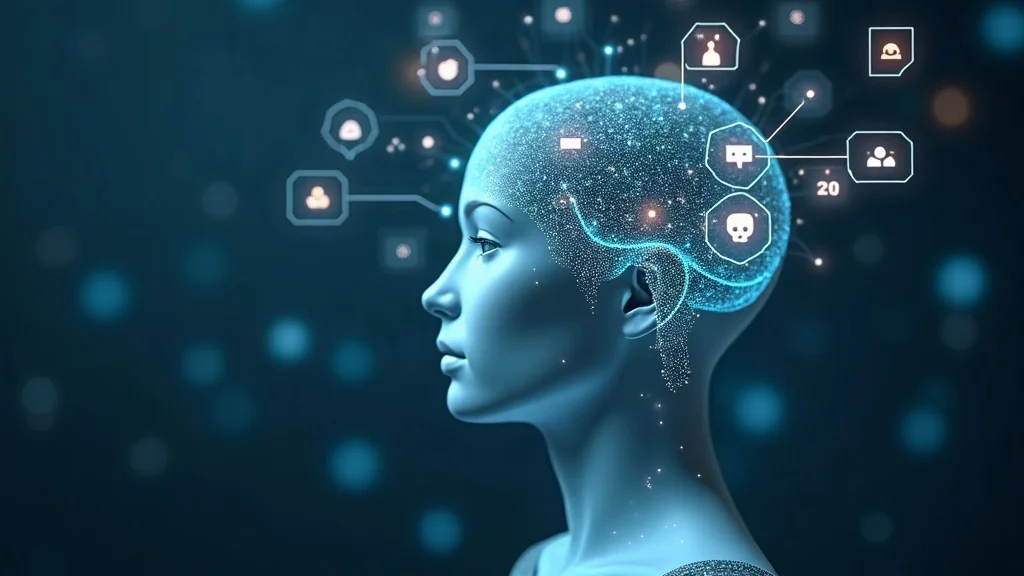
Case Study: AI in Social Media Marketing Platforms
Social media has become a primary channel for brand engagement, and AI in marketing is essential for managing these platforms efficiently. One leading retailer integrated AI-driven analytics with its social media platform, enabling the team to identify trending topics, schedule optimal posts, and analyze sentiment faster than ever. The results included a significant boost in audience reach, engagement rate, and campaign efficiency.
This example proves that AI-powered marketing platforms are crucial for scaling content creation, personalizing outreach, and maintaining brand relevance on channels where speed and timing are everything.
Integrating AI Use for Marketing into Your Digital Marketing Platform
Choosing the Right AI Tools for Continuous Growth
Not all AI tools are created equal, so selecting the right mix is essential for building a resilient, ROI-boosting marketing platform. Evaluate solutions for features, scalability, integration with existing systems, and support for your team’s skill set. Key considerations include the tool’s ability to support omnichannel strategies, provide actionable analytics, and integrate with CRM and other critical software.
Start with tools that address your most pressing needs—whether that’s customer segmentation, content automation, or predictive analytics. As your team becomes more comfortable with AI, expand your toolkit to include machine learning-driven personalization or more advanced marketing automation suites.
Overcoming Common Challenges with AI Marketing Platforms
Despite the advantages, integrating AI marketing tools presents challenges—such as ensuring data privacy, managing algorithm bias, and maintaining transparency with customers. Overcoming these hurdles requires clear processes, regular audits, and ensuring your marketing teams are properly trained to interpret and use AI-generated insights responsibly.
Regularly review your marketing tool stack for relevance, security, and compliance, and foster a culture of continuous learning and adaptation. With strategic oversight, your business can navigate these challenges and unlock the full potential of AI-driven marketing.
People Also Ask: Expert Answers on AI Use for Marketing
What is the 3-3-3 Rule in Marketing?
The 3-3-3 rule in marketing is a framework that helps marketers structure their messaging effectively, focusing on three points delivered in three ways within three minutes. When supported by AI marketing strategies, this framework emphasizes fast, relevant, and consistent communication powered by data-driven insights.
What are the 7 Types of Digital Marketing?
The seven main types of digital marketing include content marketing, SEO, social media marketing, email marketing, influencer marketing, affiliate marketing, and paid advertising. AI use for marketing enhances each of these by enabling smarter analytics, automation, and personalization for greater campaign effectiveness.
How to Make $1000 a Day Using AI?
Leveraging AI-driven customer segmentation, AI tools, and personalized marketing strategies can dramatically increase revenue. By automating content creation and optimizing campaigns with predictive analytics, you can deliver targeted offers to high-value customers—potentially boosting daily earnings for your business.
What are the 5 Applications of AI?
The top five AI use for marketing applications include predictive analytics, intelligent chatbots, marketing automation, personalized content recommendations, and real-time data-driven insights. Each supports a more efficient, engaging, and profitable marketing ecosystem.
Lists of Must-Have AI Tools for Modern Marketing
-
AI writing tools
-
Predictive analytics platforms
-
Chatbots for marketing and customer support
-
AI-powered social media marketing platforms
-
Marketing automation suites
Key Takeaways: AI Use for Marketing Best Practices
-
AI use for marketing enables scalable, data-driven digital campaigns
-
Machine learning in marketing unlocks advanced segmentation and targeting
-
AI marketing automation streamlines complex workflows
-
Personalized marketing with AI delivers superior customer experience
AI Use for Marketing Frequently Asked Questions
-
How does artificial intelligence marketing improve ROI?
By automating tasks, providing precise targeting, and offering real-time insights, AI marketing drives efficiency and maximizes the impact of every campaign. -
What is the future of AI in digital marketing?
The future lies in smarter, more autonomous tools that deepen personalization, boost automation, and enhance data-driven decision-making. -
Can AI tools replace human marketers?
AI tools complement marketers by handling repetitive processes and deep data analysis—freeing up people to focus on strategy, creativity, and relationship building. -
What industries benefit most from AI marketing strategies?
E-commerce, finance, retail, healthcare, travel, and technology sectors all see substantial gains, though AI use for marketing can enhance results in virtually any industry.
Ready to Transform Your Marketing? Contact Our AI Use for Marketing Experts
Agent Hi5 MarketingCall us at (510) 722-0902 or email us at info@agenthi5.com for expert AI marketing support today.
Conclusion: AI use for marketing is more than a trend—it is the catalyst behind tomorrow’s most successful digital strategies. Start automating, personalizing, and growing faster today.
If you’re inspired to take your marketing to the next level, consider how a holistic digital strategy can amplify the impact of AI-driven tools. From foundational tactics to advanced automation, building a robust digital marketing approach is essential for sustainable growth. For a comprehensive guide on elevating your business in today’s competitive landscape, explore digital marketing strategies designed specifically for small businesses. Discover actionable steps, proven frameworks, and expert insights to help your brand get ahead—no matter your size or industry.